

It’s true that pregnancy and childbirth can have a huge effect on a woman’s libido and feelings of sexuality. This is due to a combination of hormonal, physiological, psychological and social changes.
These changes occur from the first trimester of pregnancy and can continue for more than 12 months postpartum. Of course, every woman is different, but there is a general pattern that follows.
Today we will see how sexuality and desire changes from pregnancy to postpartum and how women can regain their sexuality after childbirth.
How does pregnancy affect libido in women?
The first quarter
Between weeks 1 and 13, many women experience a decrease in libido. This is because the hormones estrogen, progesterone and hCG are increasing and often experience symptoms such as nauseavomiting, fatigue, breast tenderness, and emotional changes. On the other hand, some women tend to feel the opposite: increased sexual tension due to increased blood flow to the pelvic region.
However, in general, most pregnant women in the first trimester feel less sensation of excitement.
The second quarter
Between weeks 14 and 27, a woman may experience an increase in libido. This is because negative symptoms such as nausea may have decreased or disappeared, your energy may have returned, and there is still increased blood flow to the pelvis. Estrogen levels can also induce arousal, lubrication, sensitivity, and desire.
The third quarter
From 28-40+ weeks a woman libido it may drop again, often reaching the lowest level of pregnancy. At this stage, they may feel discomfort due to a larger belly, back pain, bloating, and frequent urination.
There is also the factor of body image that can play a big role in arousal. Some women may feel unattractive or less desired during this period, while experiencing lubrication problems and feeling less sexual overall.
How does childbirth (postpartum) affect libido in women?
Once a woman has given birth, she is called postpartum period. During this time, there are even more drastic and long-lasting effects on your libido.
Immediate Postpartum
From the first 6 to 8 weeks, the woman needs time to heal. They may experience bleeding and extreme exhaustion, which has a great impact on their sexual desire. In fact, most health professionals recommend waiting 4 to 6 weeks before having penetrative sex.
After initial recovery
Between 3 and 12 months or more, a woman’s libido may still remain low (lower than pre-pregnancy levels) due to hormonal changes that can cause vaginal drynessReduced lubrication and reduced desire. Additionally, they may be sleep deprived, have difficulty finding their new identity as a mother, the postpartum experience depression or anxiety and possible tension in the relationship.
How can women recover their sexuality after childbirth?
While much of the information above tells a story of biological and hormonal reasons for low libido after childbirth, there are some things a woman can do to try to increase her postpartum sex drive.
But it’s important to note that during this time, it’s less important to focus on “getting back to normal” and more on developing a new, healthy sexual desire in a body, mind, and life that has changed dramatically.
It often takes months or more than a year to feel sexual desire before giving birth, and that is completely normal. Knowing this, starting with realistic expectations, and not rushing the process or feeling like something is wrong with you will make things much easier.
1. Give your body time to heal gracefully
Rushing recovery often delays recovery. Accepting the fact that your sexuality may be different for a while and focusing on healing rather than fixing it will take the pressure off.
Immediately after giving birth is not the time to prioritize sex, it is the time to take care of yourself by treating pain and controlling how you feel. It is also a time to prioritize basic self-care with hydration, nutrition, gentle exercise (when authorized), and, if possible, help with childcare so that you can have a 1-2 hour break that can make a difference mentally and energetically.
Consult a specialist if you experience pain with penetration (although it is important to wait 6 weeks before having penetrative sex), incontinence, or pelvic floor tightness or weakness. If sex hurts, it will impede your sexual desire.
2. Hormonal factors
There are some postpartum hormonal issues that can be addressed by a professional. For example, if you experience low estrogen levels, it can lead to vaginal dryness and therefore low arousal.
Or, if you have high levels of prolactin (the sleep hormone) that is stimulated by breastfeeding, you may feel less sexual. Your doctor may prescribe vaginal estrogen for dryness and you may want to consider your breastfeeding options if it is negatively affecting you.
3. Talk to your partner
If you have a partner, communication is very important. Talking openly and honestly about your feelings, your fears, your disposition, and your sexual desire can pave the way for better understanding and care. You could address the fact that you may have mismatched libidosor you could even schedule time for intimacy.
For some women, scheduling sex can be a good thing, as it gives them time to mentally prepare. At the end of the day, talking to your partner should be done in a safe, blame-free space. When there is love and understanding, it can generate more compassion for you and your partner.
4. Rebuild the connection with your body
A woman’s body changes after childbirth, which can cause disconnection. Starting small, there are some helpful things you can do to start diving into your sexuality once again, without pressure or intimidation.
For example, starting with non-sexual contact like massageslook and touch the body without judging, and do pelvic floor exercises.
Then there may be gentle sexual exploration to regain trust, which is essential for arousal. With a partner, you could participate in activities such as kissholding hands, huggingor masturbate together.
Thesis non-penetrative acts It can reduce the pressure of performance in a non-intimidating way, often helping women find pleasure faster than if it were total.
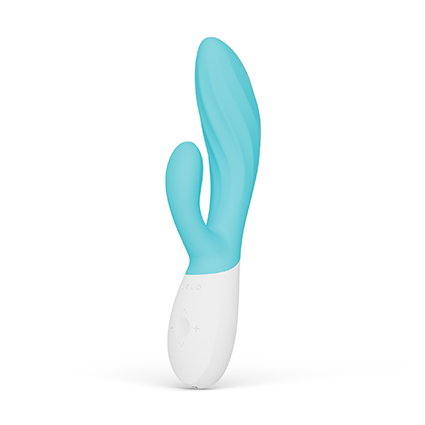
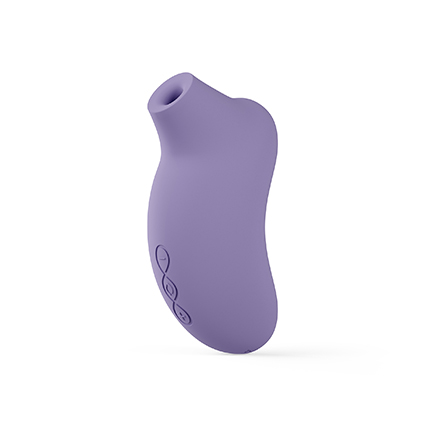
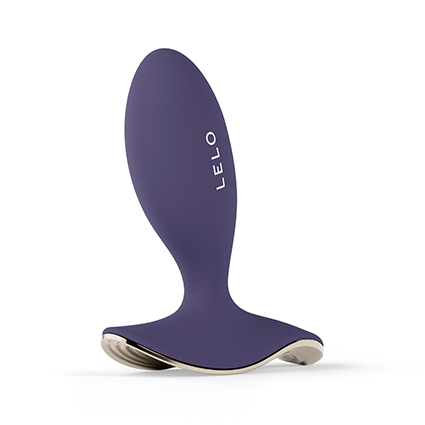
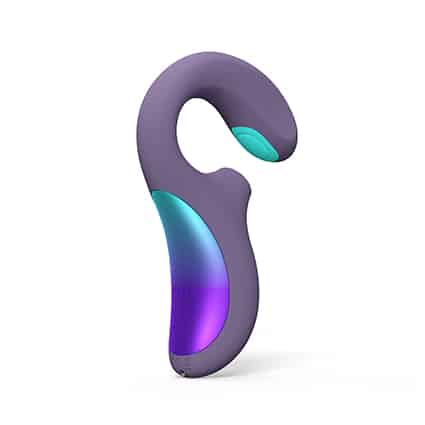
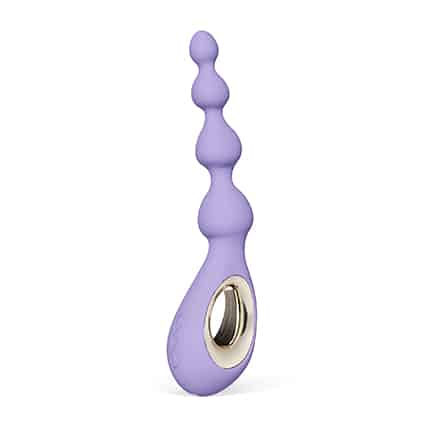
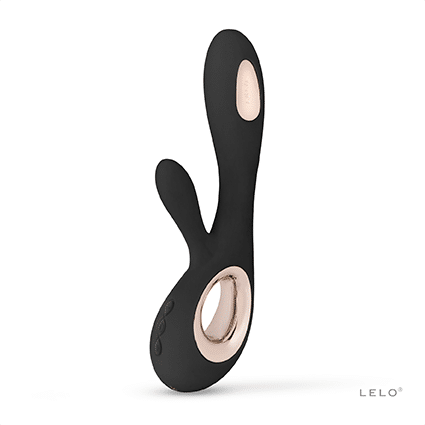
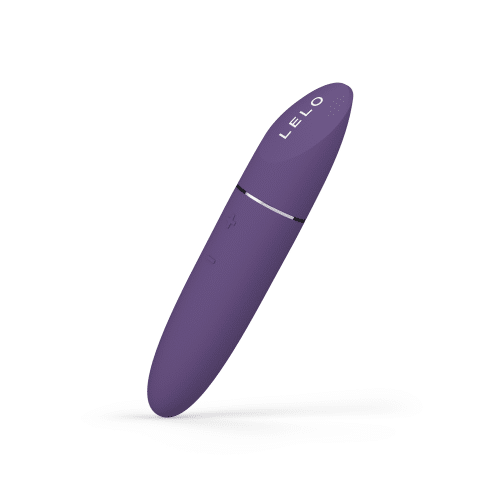
For single moms, provide space to discover what feels good now and reconnect with yourself without rushing to reduce anxiety. Masturbating with sex toys It might help you feel sensations again.
Enjoy 15% discount LELO.com with code WILL15
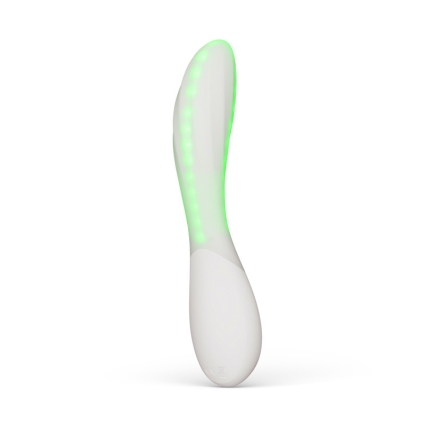
MONA Spectra

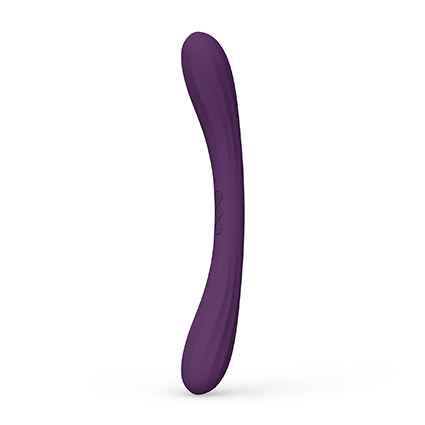
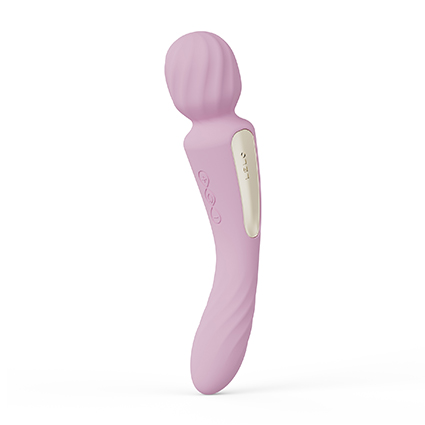
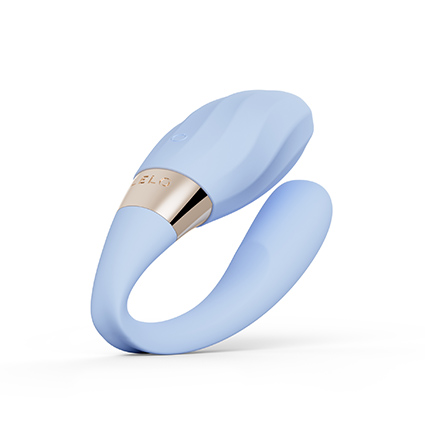
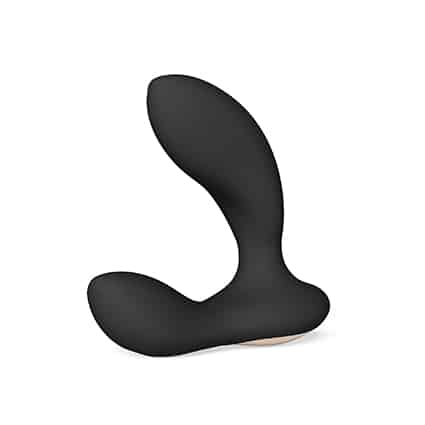



5. Take a practical approach to physical discomfort
When you’re ready to have penetrative sex, it may feel uncomfortable at first. If you feel pain, it is better to wait a little longer.
If you feel slight discomfort, a generous amount of lubricant for vaginal dryness and try different sexual positions They reduce pressure on healing areas, for example, spooning or woman on top.
Throughout your journey, you can practice pelvic floor exercises, as mentioned, as they can help strengthen and relax the pelvic floor for greater comfort.
Also, opt for a warm bath before sex to help with physical and mental relief, and emptying your bladder before penetration could ease pain.
The main takeaway is that many of these sexual changes you may experience during pregnancy and postpartum are normal.
Being kind to yourself and your body, communicating with your partner, exploring yourself sexually carefully, and taking extra precautions are great ways to reclaim your sexuality after childbirth.
The main thing is to take it slowly, without rushing, as it is this patience and self-love that will get you there with more self-awareness and compassion.