
For some people, sex is a kind of release. A way to de-stress, relax, experience pleasure and perhaps feel closeness to your partner. It could also be a way to experiment with new things in the bedroom, exciting excitement, fuels a surge of adrenaline and to satisfy a increased libido. All of these things sound wonderful, right?
But sometimes, even if sex is totally pleasurable, fireworks-inducing, lustful, and satisfying, people can end up feeling anxious after sex (postcoital dysphoria). Others may not find the event at all exciting, leading to anxiety during the process. and after sex.
Because? We’ll look at the various reasons why you may feel anxious after sex. But first…
What is postcoital dysphoria (anxiety after sex)?
Feeling anxious after sex is more common than you think and could be due to psychological, emotional, relational, social or physiological reasons.
It is when someone feels uncomfortable, worried, or distressed shortly after sexual activity, and it can happen to anyone, regardless of gender, orientation, or marital status.
1. Performance anxiety
By this we don’t mean having performance problems, but rather experiencing anxiety after sex because you’re worried about how your sexual performance was or how your partner perceived it.
This could be due to social expectations or the need to be “perfect,” but it is often accompanied by post-sex worries that you didn’t last long enough or weren’t good enough. You can ask yourself questions like, “Did I appear confident?” “What was my body like?” gold “Did you enjoy the experience?”
2. Hormonal changes after orgasm
After orgasm, your body goes through a rapid change in brain chemistry:
- A dopamine crash: This hormone is related to pleasure and motivation and generally increases during orgasm and collapses afterwards. This sudden drop may feel like a “low” which may result in feelings of anxiety, emptiness, or restlessness.
- A rise and fall of oxytocin and prolactin: Oxytocin is the “love” and “bonding” hormone, but because it fluctuates during and after sex, it can lead to feelings of instability. prolactin It’s the sleep hormone that helps in the refractory period, but it could make someone feel emotionally flat.
- From excitement to relaxation: During sexual activity, the body is in a state of arousal. After sex, enter a state of relaxation. This transition can be disorienting and trigger symptoms of anxiety, such as heart palpitations, restlessness, or shallow breathing.
3. Emotional vulnerability and fears of intimacy
Sex is an intimate act. And although some may have sexual relations with No strings attachedothers feel it involves a high degree of emotional openness, vulnerability, and/or perhaps fear of rejection.
After sex, the latter may feel anxious because the act may have destroyed emotional barriers, which could reveal deeper feelings that they are not prepared to face. They may worry about developing feelings or—In long-term relationships—overthinking whether sex brought you closer together or created scary new territory.
This type of anxiety after sex may be more common in those who have an anxious attachment style (who may have experienced inconsistent caregiving during their childhood), or it could be due to a hormonal change after sex, resulting in an emotional “crash.”
4. Regret, guilt, moral conflict and social influence
These are important reasons why some people feel anxious after sex. On the one hand, sexual activity can trigger feelings of regret and guilt because it conflicts with personal values, beliefs, or circumstances.
For example, getting involved in infidelity It can be exciting, but it can result in remorse for betraying a partner or violating trust. Or some who grew up in conservative homes may internalize shame about premarital sex or certain sexual acts.
This type of guilt and shame can not only cause anxiety after sex, but it can also manifest itself physically as tension, restlessness, or even nausea. Psychologically, it can lead to intrusive thoughts leading to lower self-esteem. These arise from an internal conflict between desire and identity.
There is another type of social influence that can fuel post-sexual anxiety: the stigma around sexuality.
Women in particular may face “slut shaming,” which may make them anxious about being judged.
LGBTQ+ people may experience anxiety due to internalized homophobia or fear of social rejection.
And then some may worry about social repercussions, such as rumors or exposure.
5. Past trauma or negative sexual experiences
For survivors of trauma, abuse, or sexual assault, sex can be a big trigger that creates anxiety through flashbacks, dissociation, or emotional floods. Even consensual sex (with a loving partner) can evoke memories.
A person with a history of sexual trauma may feel ready to experience sexual activity, but the body may remember past experiences even if the mind does not consciously link them. This makes it difficult for those to truly trust themselves and their partners, and can lead to a fear of intimacy.
Why anxiety can arise after sex rather than during is because the nervous system can associate intimacy with danger, leading to a delayed anxiety response. It could also be because the nervous system becomes “unlocked” after sex, which can trigger feelings of anxiety, panic, disconnection, hyperarousal (like a racing heart), or emotional numbness.
6. Uncertainty in the relationship
Sex can bring a lot of uncertainty or ambiguity to a relationship, like wondering where things are. People may fear being used (only sought out for sex and then discarded).
In a new relationship, one might fear that sex has “changed everything” in a negative way, that your partner may cheat on you or see you only as a connect. Questions such as “Was this coincidental or significant?” “Are we “more” than before?” They may also fear a discrepancy in expectations and wonder if they They feel more crowded than their partner, creating imbalance.
In more established relationships where there are communication problems, sex could be a tool to mask concerns, but instead of resolving them, it highlights them. This can lead to feelings of abandonment and the mind worrying about worst-case scenarios.
In another example, there may be sex-related topics that are not mentioned, such as mismatched libidos or emotional distance. In this case, the lack of communication while continuing sexual activity can lead to anxiety after sex.
So while these reasons why some people may experience anxiety after sex are not mutually exclusive, they can sometimes overlap. If you frequently experience anxiety after sex, you can explore it by journaling, talking to a trusted friend, or seeking professional help to give you clarity and strategies for managing it.
Enjoy 15% discount LELO.com with code WILL15
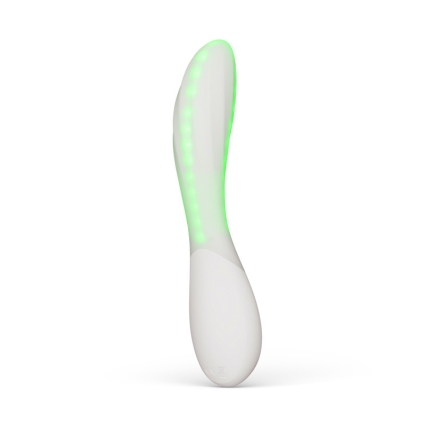
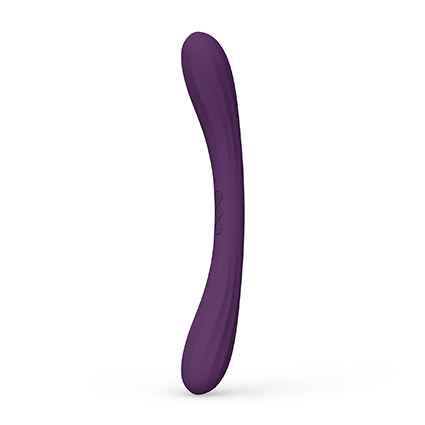
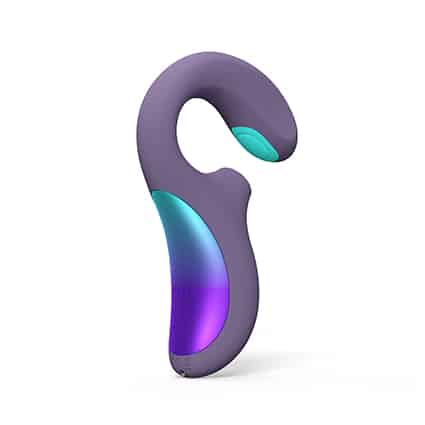
MONA Spectra